Other Champions League
New stadiums and their economic impact on clubs: European precedents
Summarised by MatchPal
Analysis of how new stadiums have boosted revenue for Arsenal, Atlético Madrid, Tottenham and Real Madrid, with projections for Inter and Milan's planned Generali Stadium.
New stadiums have proven to be major revenue drivers for Europe's biggest clubs. Arsenal's move from Highbury to the Emirates in 2006 saw overall revenue jump 46.4% in the first season, with matchday income doubling to 105.4%. Atlético Madrid's 2017 move to the Wanda Metropolitano increased total revenue by 11.7% in year one, with stadium income up 39% and commercial revenue up 27%, despite the club exiting the Champions League in the group stage that season.
Tottenham's new stadium, opened in April 2019, increased capacity from 36,000 to 62,850. Though the first season was disrupted by Covid, the club still grew revenue from £306.3m (2016/17) to £402.4m (2019/20), making it the only top-10 European club to increase matchday revenue during the pandemic. Real Madrid's Bernabéu renovation and Juventus's stadium investments have followed similar patterns.
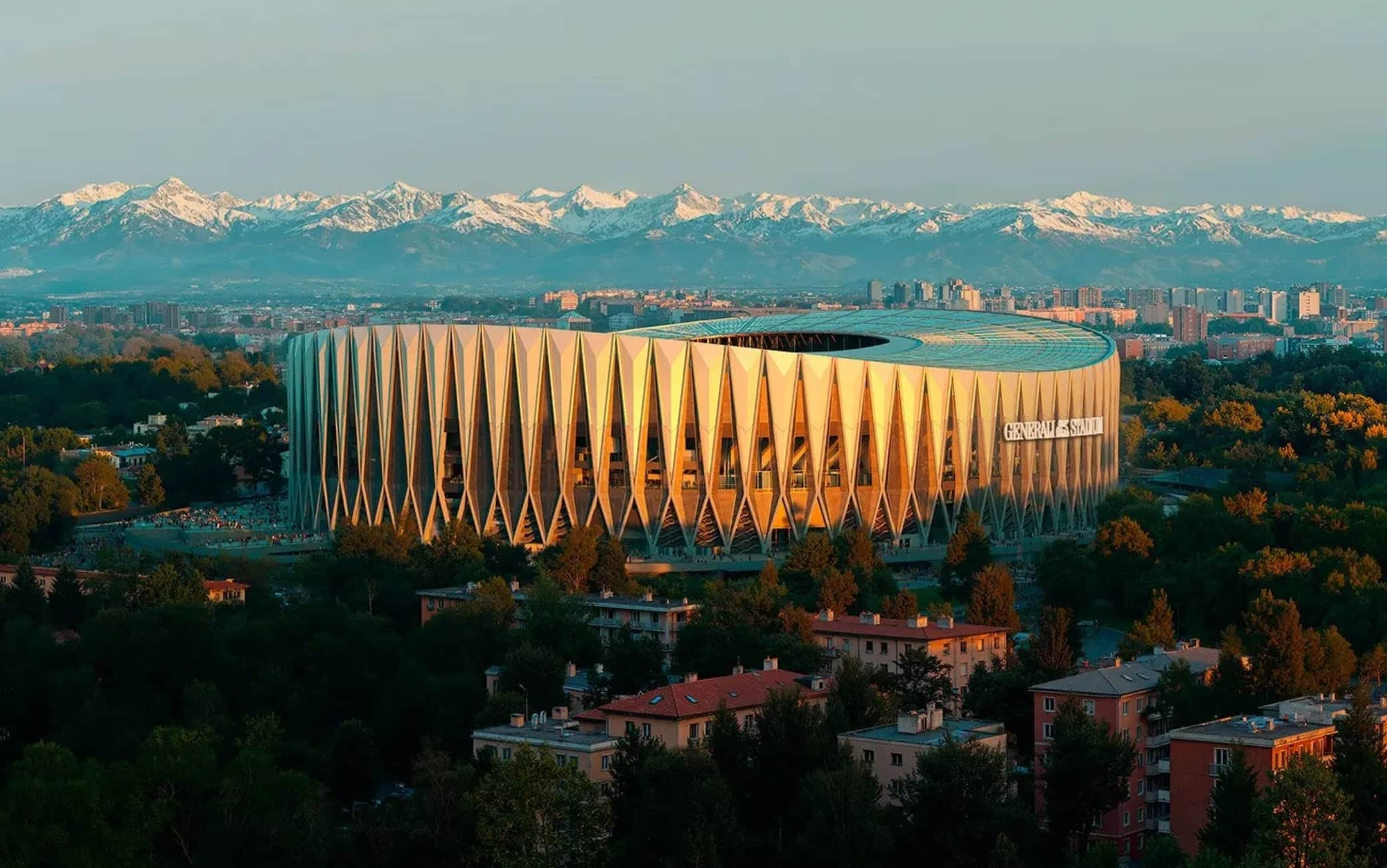
With Inter and Milan now pursuing their Generali Stadium project, they are following the playbook of Europe's richest clubs, where new facilities have become crucial revenue streams beyond just ticket sales—hospitality, premium experiences and commercial activities now drive the majority of stadium income.
Summary by MatchPal from the original report at sport.sky.it. Reporting and images belong to the source.
In this story
Clubs





Next on TV
UK times La Liga · Matchweek 11
 Levante v
 Atlético MadridSat, 31 Oct 2026